How to Organize a Neighborhood Block Party
Organizing a neighborhood block party can foster community spirit and improve relationships among residents. This guide outlines effective steps to ensure your event is enjoyable and well-structured.
Understanding the Basics
Planning a successful block party typically involves several key considerations. According to community engagement experts, events like these can enhance neighborhood ties and create a sense of belonging. This is particularly important in urban settings where residents may not know each other well. In most cases, organizing such an event can take anywhere from two to four weeks, requiring careful planning and coordination.
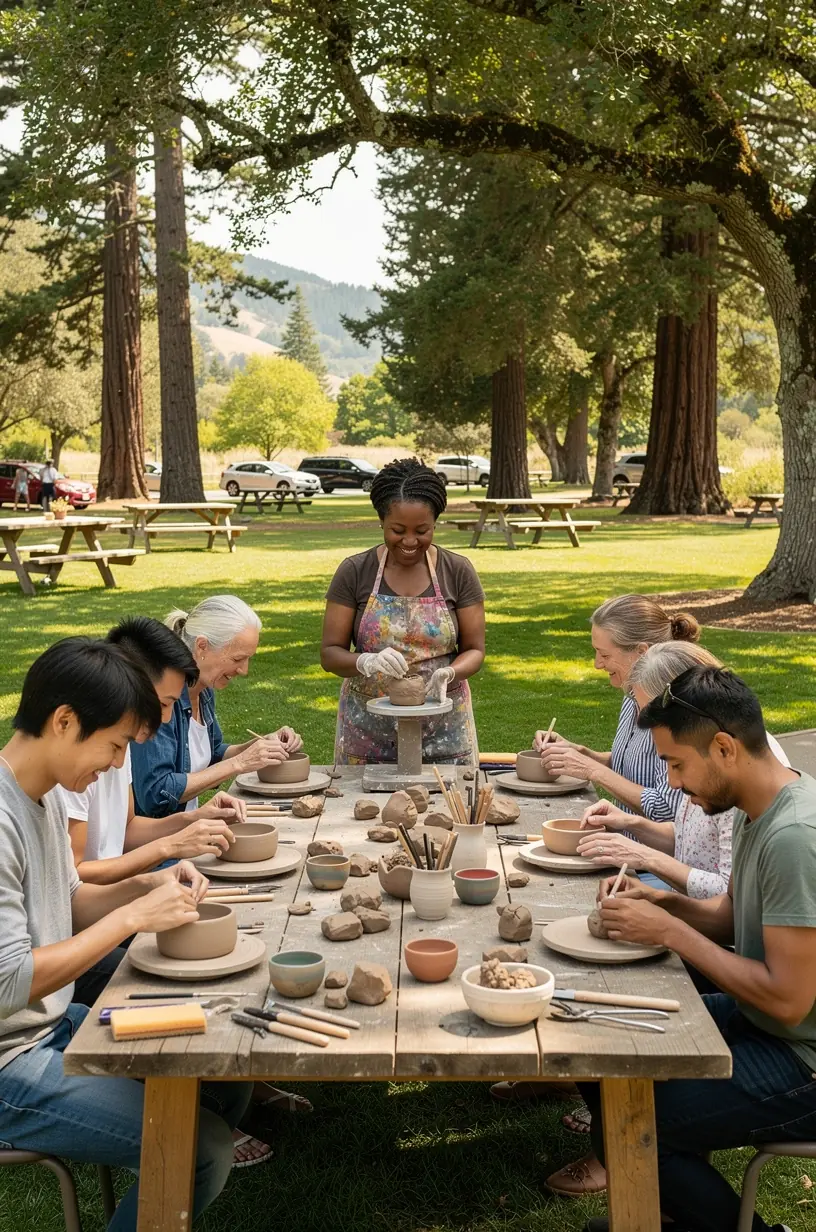
"Community gatherings like block parties are effective in building trust and communication among neighbors." - Community Development Expert
Step-by-Step Planning Process
To ensure a successful block party, follow these structured steps:
- Gather Support: Start by discussing the idea with your neighbors. Effective engagement can help you gauge interest and gather volunteers for planning and setup.
- Choose a Date: Select a date that works for most residents. Weekends are generally preferred, as they allow more people to participate.
- Plan Activities: Consider including games, music, and food. Activities for children can often enhance engagement, as studies show that families are more likely to attend events with child-friendly options.
- Obtain Permits: Depending on your location in Canada, you may need to apply for permits to use public spaces or block off streets. Many municipalities have guidelines for neighborhood events.
- Promote the Event: Use flyers, social media, and community boards to inform residents. Effective communication can significantly enhance participation rates.
Additional Considerations
While planning, keep in mind the following:
- Budgeting: Consider costs for food, permits, and supplies. Many neighborhoods find that potluck-style events, where participants bring dishes to share, can reduce expenses.
- Safety: Ensure that you have adequate safety measures in place. This may include having first aid kits available and understanding local emergency contacts.
- Inclusivity: Make sure the event is inclusive for all residents, including those with mobility issues. Providing accessible options can encourage wider participation.
Conclusion
Organizing a neighborhood block party can positively impact your community, creating lasting friendships and a supportive environment. While the planning process typically takes a few weeks and requires a collective effort, the benefits of fostering relationships among neighbors can be profound. By following these structured steps and remaining adaptable, your block party can be an effective way to bring your community together.
Learn More