Understanding Indigenous Cultural Practices in California
California is home to a rich tapestry of Indigenous cultures, each with unique traditions and practices. Understanding these cultural practices is essential not only for appreciating their heritage but also for fostering respectful engagement and collaboration within the community.
Understanding Indigenous Heritage
Indigenous cultures in California have existed for thousands of years. They are characterized by a strong connection to the land and a deep respect for nature. According to research by the California Native American Heritage Commission, Indigenous peoples have diverse languages, traditions, and histories that significantly contribute to California's cultural landscape.
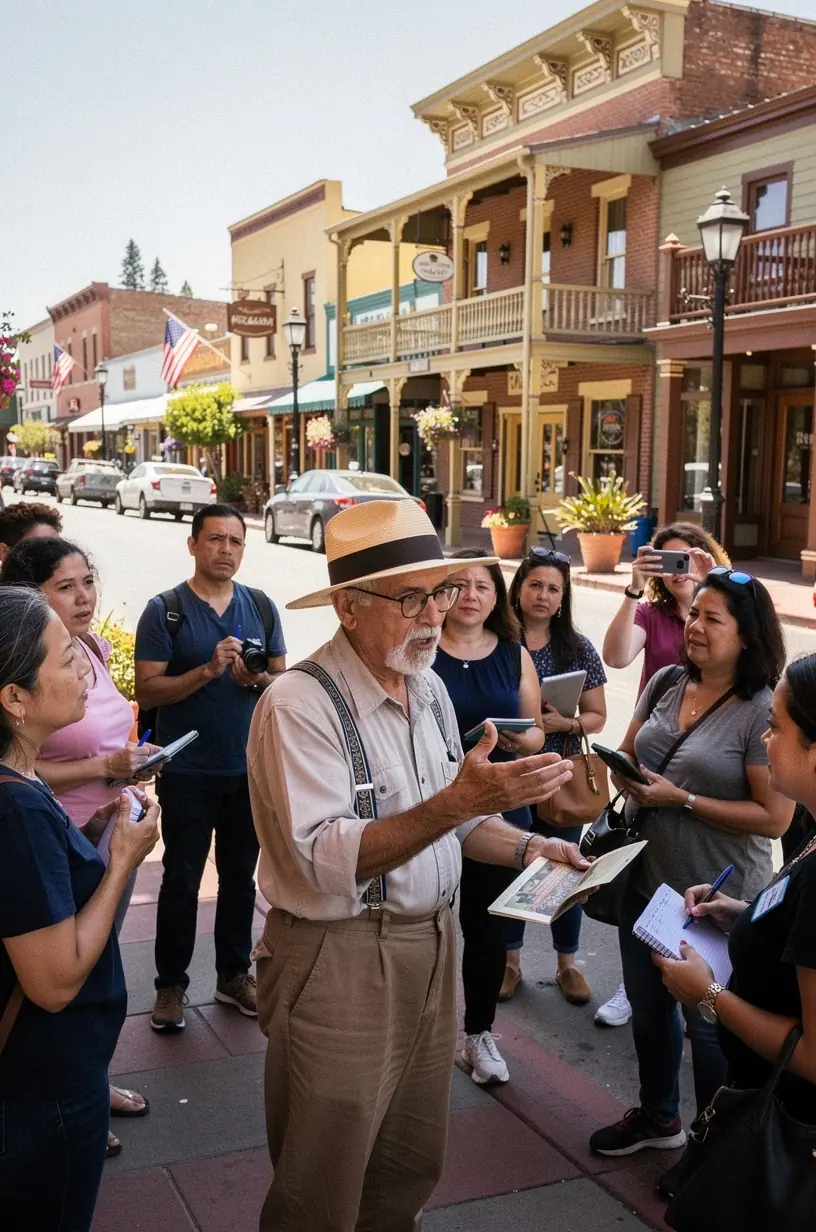
Many experts emphasize that cultural practices are not merely historical artifacts but living traditions that adapt over time. For example, ceremonies, storytelling, and traditional ecological knowledge are integral to their identity and community life.
"Cultural practices are vital to maintaining a connection to the land and community. They embody the values and wisdom of Indigenous peoples." - California Native American Heritage Commission
Common Indigenous Practices
Understanding the cultural practices of Indigenous peoples in California involves recognizing a variety of elements:
- Traditional Ecological Knowledge: Many Indigenous communities have developed sustainable practices based on their long-term relationship with the environment. For example, controlled burn techniques have been used for centuries to manage land and promote biodiversity, as documented by environmental studies.
- Ceremonial Practices: Ceremonies often mark significant life events such as birth, marriage, and death. These rituals typically involve community participation and are fundamental in passing down cultural values and teachings.
- Storytelling: Oral traditions are crucial for preserving history and teaching moral lessons. According to anthropological studies, storytelling serves not only as entertainment but also as a means for cultural transmission across generations.
Challenges and Considerations
While there is a growing interest in Indigenous cultural practices, several challenges persist:
- Misrepresentation: Often, Indigenous practices are oversimplified or misrepresented in popular culture. It is essential to approach these practices with respect and seek to understand their depth and context.
- Access to Knowledge: Many Indigenous communities have specific protocols regarding who can participate in their cultural practices. Engaging with these communities requires sensitivity and acknowledgment of their sovereignty.
- Preservation Efforts: Many Indigenous cultures are at risk due to environmental changes and loss of traditional lands. According to conservation experts, collaboration with Indigenous peoples can enhance biodiversity conservation efforts.
Practical Steps for Engagement
For those looking to engage with Indigenous cultures in California, consider the following:
- Educate Yourself: Take the time to learn about the specific Indigenous communities in your area. Understanding their history and current issues can foster respectful relationships.
- Respect Cultural Protocols: Before participating in cultural events or practices, seek permission and guidance from community leaders. This approach acknowledges their authority and respects their traditions.
- Support Indigenous Initiatives: Engage with local Indigenous organizations that focus on cultural preservation and advocacy. This support can amplify their voices and contribute to their community's resilience.
Conclusion
Understanding Indigenous cultural practices in California involves more than mere observation; it requires engagement, respect, and a commitment to learning. By acknowledging the complexities of these practices and promoting respectful interactions, we can help preserve and honor the rich heritage of Indigenous peoples in the region. Engaging with these traditions not only enriches our understanding but also contributes to the ongoing narrative of cultural diversity in California.
Learn More